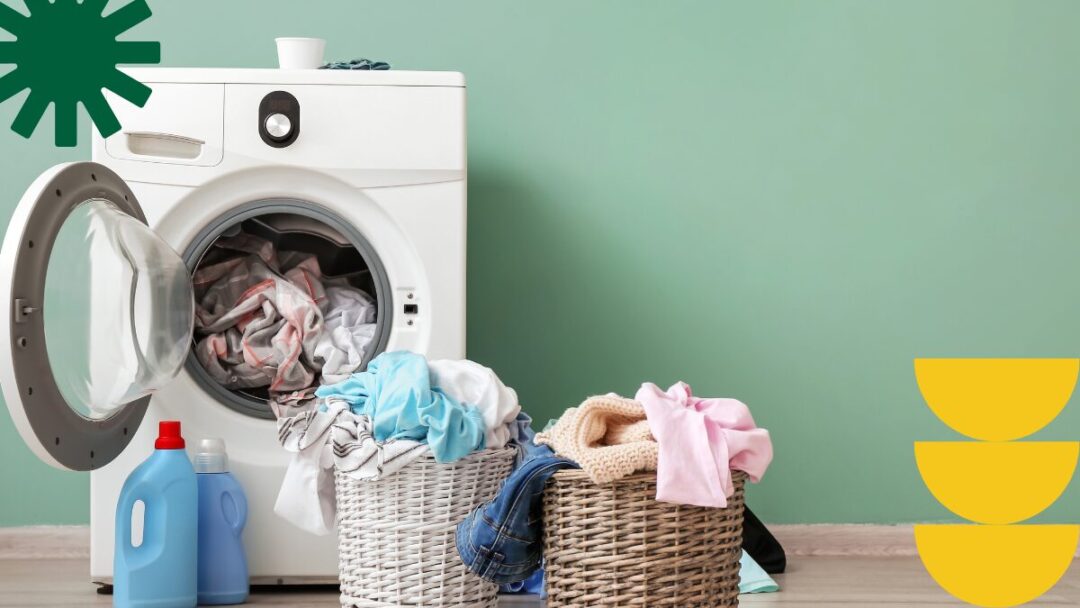
You know the feeling. You’re getting ready for work, an event or a family outing, only to realise that the outfit you wanted to wear is sitting in the laundry basket, creased and waiting to be ironed. Sound familiar? Last-minute ironing is one of the most common morning frustrations.
What should have been a quick morning routine turns into a frantic search for something wearable – and a rushed ironing session.
If ironing always seems to happen when you need to leave the house, it might be time to change how you manage your laundry. A little planning can help you stay on top of ironing, keep clothes ready to wear and avoid those rushed mornings.
Here are a few practical ways to get ahead.
1. Stop waiting for the laundry basket to fill up
One of the easiest ways to make laundry more manageable is to avoid leaving everything until there’s a mountain of clothes to wash.
Instead of waiting until the basket is overflowing, set a regular laundry routine that works around your household. You might wash clothes twice a week, do smaller loads on specific days or separate laundry according to the type of clothing.
The aim isn’t to wash something every day. It’s to make sure laundry doesn’t become a job that takes over your entire weekend.
A consistent routine also makes it easier to plan when clothes will be clean, dry and ready to iron.
2. Sort clothes before washing
Not every item of clothing needs the same care. Sorting your laundry before washing can help prevent damage, make drying easier and reduce the amount of ironing required afterwards.
Separate clothes according to:
- Colours, to avoid colour transfer.
- Whites and lighter fabrics.
- Darker clothing.
- Delicate items that need special care.
- Towels and bedding.
- Heavier items such as jeans and hoodies.
Always check garment care labels before washing. Using the right temperature and wash cycle can help prevent unnecessary creasing and protect your clothes.
3. Take clothes out of the washing machine promptly
Leaving wet clothes sitting in the washing machine is a habit worth breaking. Clothes can develop unpleasant smells, and sitting in a pile can leave them more creased than necessary.
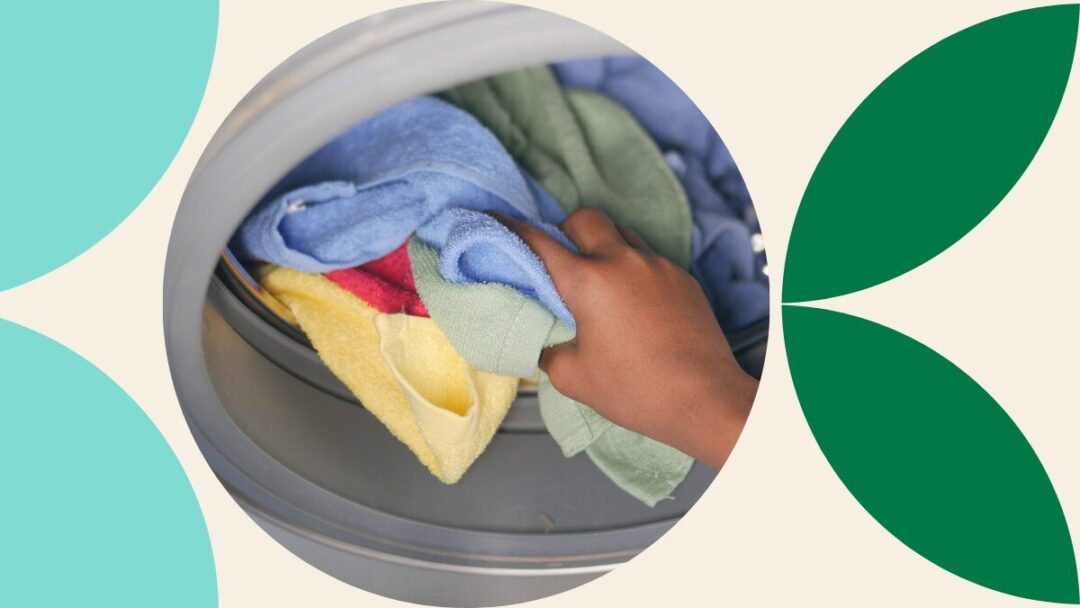
As soon as the cycle finishes, remove the washing and give each item a good shake before hanging it up or placing it in the tumble dryer, if the care label allows.
This small step helps prevent clothes from becoming tangled and reduces some of the creases that can make ironing more time-consuming.
4. Hang clothes properly to reduce creases
How you dry your clothes can make a noticeable difference to how much ironing they need.
For shirts, dresses and trousers, use suitable hangers where possible. Smooth out collars, sleeves and hems before hanging them. For T-shirts and other everyday clothing, shake them out and hang them neatly rather than leaving them in a heap.
If you’re using a washing line, give clothes enough space to dry properly. Avoid overcrowding the line, as this can slow down drying and leave garments creased against one another.
Some fabrics may need ironing even when dried carefully, but a little attention at this stage can make the job easier later.
5. Don’t let clean clothes sit in a pile
Getting the washing done is only half the job. If clean, dry clothes end up sitting in a basket for days, you’ll still have a pile to work through when you need something to wear.
Try to fold or hang clothes as soon as they’re dry. Put away items that don’t need ironing, and keep the clothes that do need attention in one designated place.
This also makes it easier to see what needs ironing instead of having to search through a mixed basket of clean laundry.
6. Iron in batches instead of one item at a time
If you only switch on the iron when you need a particular shirt, you’ll probably find yourself ironing at the most inconvenient time.
A better approach is to set aside a regular time to iron a few items together. You could do this once or twice a week, depending on how much ironing your household produces.
Try grouping similar fabrics together and adjusting the iron temperature as needed. Start with items that require lower heat and work your way up, following garment care labels.
Ironing several items in one session can be more efficient than repeatedly setting everything up for a single garment.
7. Prioritise the clothes you actually wear
Not every item in your wardrobe needs to be ironed immediately. If you try to tackle every piece of clothing at once, the task can quickly feel overwhelming.
Start with the items you rely on most:
- Work shirts and trousers.
- School uniforms.
- Everyday dresses and tops.
- Clothes needed for upcoming events.
- Items that crease easily and need extra attention.
Keep these items ready so you’re not rushing to prepare an outfit just before you need to leave.
You can work through less frequently worn clothing when you have more time.
8. Store ironed clothes properly
There’s little point in spending time ironing clothes if they’re going to end up creased again in the wardrobe.
Hang shirts, dresses and trousers on suitable hangers, leaving enough space between garments. Fold items that are better stored in drawers, and avoid overfilling shelves.
If you’re ironing something for a particular day, put it somewhere you can find it easily. Keeping an outfit together can also save time when you’re getting ready.
9. Make a simple weekly laundry plan
A laundry routine doesn’t have to be complicated. The goal is to spread the work out so that washing, drying, ironing and putting away clothes don’t all happen at once.
Here’s an example of how you could organise your week:
- Monday: Wash everyday clothes and put away anything already clean.
- Tuesday: Dry, fold and iron the clothes needed for work or school.
- Wednesday: Wash towels and other household linen.
- Thursday: Iron any remaining workwear and prepare clothes for the weekend.
- Friday: Put away clean laundry and deal with any urgent items.
- Weekend: Wash bedding, tackle larger loads and prepare for the week ahead.
Adjust the routine to suit your household. If you have children, work uniforms or a particularly busy schedule, you may need to do smaller loads more frequently.
10. Know when to get an extra pair of hands
Sometimes the problem isn’t your laundry routine. It’s simply that there’s too much to do and not enough time.
Between work, family commitments and everything else that needs attention at home, washing, folding and ironing can easily become another task waiting for you at the end of the day.
If your laundry basket never seems to empty, consider getting help with the parts of the process that take up the most time. Having someone take care of washing, drying, folding or ironing can help you keep clothes organised without spending your free time catching up.
Avoid last-minute ironing and get on with your day
Staying on top of ironing is less about finding extra hours in the week and more about creating a routine that works. Wash regularly, dry clothes properly, put them away promptly and set aside time for ironing before you need an outfit.
And when the laundry starts getting ahead of you, Sweepsouth’s Laundry & Ironing service can help you get it under control. From washing and folding to getting your clothes neatly ironed, you can arrange the service that suits your household’s needs.
No more discovering a pile of creased clothes when you’re already running late.

ALSO SEE: PERFECTLY PRESSED CLOTHES MADE EASY WITH PROFESSIONAL IRONING SERVICES