When summer temperatures start climbing, it’s natural to wonder how often you should water your garden in summer. Between hot afternoons, dry soil and thirsty plants, keeping your garden healthy can take a little extra attention. The trick is knowing when your plants need water, how much to give them and how to avoid wasting a precious resource.
How often should you water your garden in summer?
There isn’t one watering schedule that works for every garden. Some plants need regular watering, while established indigenous plants may cope with much less.
As a general guide, check your garden’s soil regularly during hot, dry weather and water when the root area begins to dry out. Established lawns, flower beds, vegetable patches and potted plants all have different needs.
Rather than watering a little every day, aim to water deeply when necessary. This encourages roots to grow further into the soil, helping plants access moisture for longer. However, newly planted seedlings and plants with shallow roots may need more frequent watering, particularly during hot spells.
Always consider recent rainfall and check whether your local municipality has any watering restrictions.
What affects how often you should water your garden?
Several factors determine how quickly your garden dries out during summer.
1. The weather
Hot, sunny and windy conditions cause moisture to evaporate more quickly. During a heatwave, you may need to check your plants more often than usual.
Rainfall can reduce the need for watering, so check the soil before reaching for the hose or watering can.
2. Your soil type
Sandy soil drains quickly and may need more frequent watering, while clay soil retains moisture for longer.
Adding compost can improve soil structure and help it hold moisture. Mulching around plants can also reduce evaporation and keep the soil cooler.
3. The plants in your garden
Vegetables, seedlings and newly planted flowers often need more consistent moisture than established, drought-tolerant plants.
Indigenous plants suited to your local climate can be a water-wise choice once established. Grouping plants with similar water needs together can also make your watering routine easier to manage.
4. Pots and containers
Plants in pots often dry out faster than those planted directly in the ground because they have less soil to hold moisture.
Check containers regularly during hot weather, especially smaller pots exposed to direct sunlight. Make sure excess water can drain away to prevent waterlogged roots.
What is the best time to water your garden in summer?
Early morning is generally the best time to water your garden. Temperatures are cooler, giving water more time to soak into the soil before the heat of the day increases evaporation.
Early evening can also work, but avoid leaving foliage wet overnight where possible, as prolonged moisture on leaves can encourage some fungal diseases. Try to water the soil around the roots rather than spraying the leaves unnecessarily. This directs moisture where plants need it most.
South Africa’s Department of Water and Sanitation also recommends watering during cooler parts of the day and watering thoroughly but less frequently where appropriate.
How can you tell when your garden needs watering?
Your garden can show you when it’s running low on moisture. Look out for these signs:
- Dry soil: Feel the soil a few centimetres below the surface. If it’s dry, your plants may need water.
- Wilting leaves: Plants may droop when they’re short of water, although wilting can also occur during extreme heat.
- Dry or curling leaves: These may indicate water stress, particularly when combined with dry soil.
- Dry pots: Containers can become noticeably lighter as their soil loses moisture.
Don’t rely on appearance alone. Some plants wilt temporarily in intense heat even when the soil contains enough water, so check the root area before watering again.
How to save water while maintaining your garden
Keeping your garden healthy doesn’t have to mean using more water than necessary. A few simple habits can make a difference.
- Add mulch around plants to help retain soil moisture.
- Choose indigenous and water-wise plants suited to your region.
- Fix leaking taps, hoses and irrigation systems.
- Collect rainwater where practical and permitted.
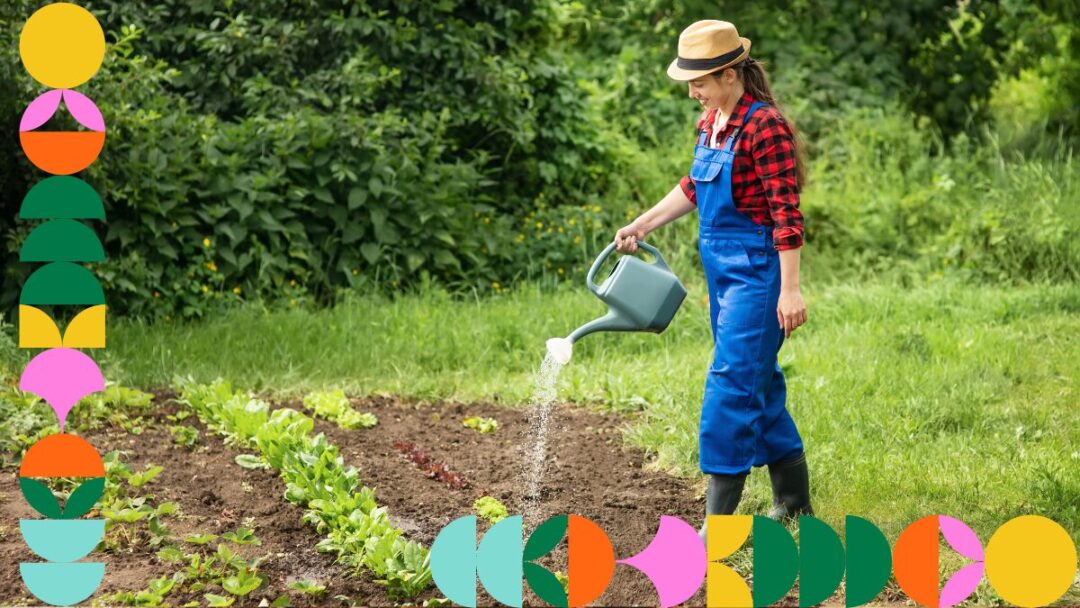
- Use a watering can or targeted irrigation to direct water towards plant roots.
- Avoid watering soil that’s already sufficiently wet.
Water-wise gardening is especially important in South Africa, where water availability varies by region and season. Check your municipality’s current rules before watering, as restrictions can differ between areas.
Make summer garden maintenance easier with Sweepsouth
Summer is a lovely time to enjoy your outdoor space, but keeping lawns, plants and garden beds in good condition can take time.
If your garden needs a little extra attention, Sweepsouth’s Outdoor service is the perfect choice to maintain your outdoor space. Skilled, experienced professionals you can trust are available when it suits your schedule.
ALSO SEE: 8 COMMON GARDENING MISTAKES YOU MIGHT BE MAKING